columbus top Remodeling Company for complete home renovation projects
Revamp Your Space With Our Experienced Remodeling Company Solutions
Transforming a space can significantly boost both functionality and aesthetic appeal. Professional remodeling services offer a blend of quality craftsmanship and innovative design. These services streamline the remodeling process, guaranteeing low anxiety for homeowners. Comprehending the various aspects involved is crucial. What steps should one take to obtain a successful transformation? The answers might lead to surprising revelations and important factors.
The Advantages of Professional Renovation Services
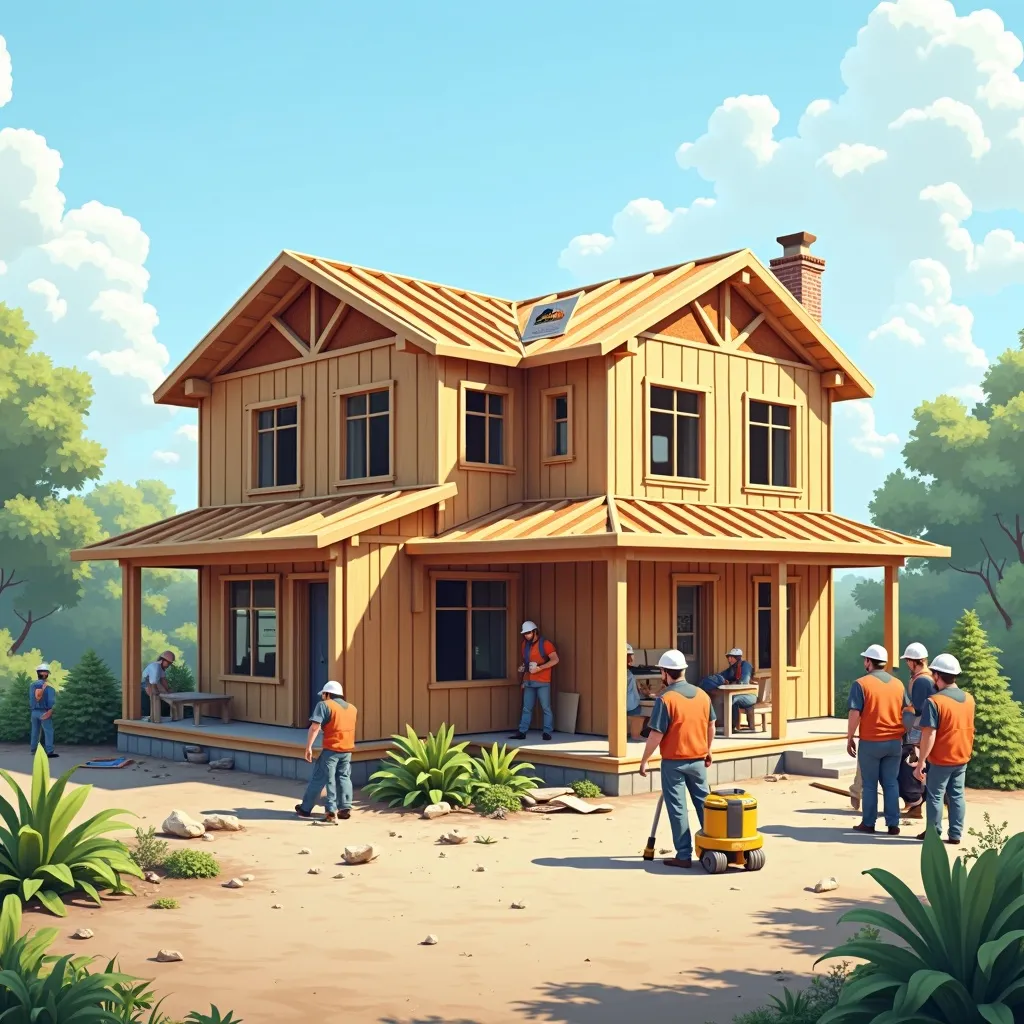
When occupants choose to improve their living areas, they often discover that professional renovation services provide major advantages. Engaging professionals in the industry guarantees excellent craftsmanship that adheres to industry standards. These experienced experts maintain the required skills and expertise to manage complex undertakings, reducing the risks of expensive mistakes that DIY projects might incur.
Additionally, skilled contractors introduce creative design solutions that can reshape a space in ways homeowners may not conceive. They keep current on the latest styles and innovations, which can significantly boost visual appeal and performance. In addition, utilizing professional services often streamlines the process, as these professionals manage everything from design and approvals to execution and inspections.
In the end, enlisting professional remodeling services not only enhances the quality of the renovation but also alleviates stress for homeowners, allowing them to enjoy the transformation of their living spaces without undue hassle.
Understanding the Renovation Process: What to Expect?
Knowing the remodeling process is crucial for property owners thinking about a endeavor. This journey usually commences with an first consultation, succeeded by comprehensive design and planning phases. Finally, the development timeline outlines the steps from start to completion, ensuring distinctness throughout the process.
Beginning Consultation Steps
How does one manage the often intricate world of remodeling? The opening meeting serves as a vital first step in this journey. During this meeting, clients work with experts to explore their vision, budget, and timeline. The remodeling company generally conducts a detailed assessment of the existing space, noting structural elements and any potential challenges. This is also a time for clients to pose questions and resolve any uncertainties about the process. The experts deliver insights grounded in experience, supporting clients organize their needs and desires. Ultimately, this advisory session lays the groundwork for a successful renovation project, ensuring both parties are aligned before moving forward into the subsequent phases of design and planning.
Layout and Planning Phase
The design and planning period reshapes starting concepts into tangible blueprints. During this indispensable stage, clients collaborate with design teams to define their vision, preferences, and functional requirements. Primary factors include determining materials, pigments, and floor plans that align with the overall aesthetic and purpose of the space. Design experts leverage advanced software to construct comprehensive models, letting clients to visualize the project before construction begins. Financial planning also assume an important role, as designers help prioritize components and elements to keep within budgetary parameters. Throughout this period, open communication promises that all stakeholders are aligned, limiting errors in understanding. In conclusion, this meticulous planning lays the foundation for a effective remodeling project, establishing the path for an productive and orderly construction process.
Construction and Accomplishment Roadmap
What should one anticipate during the building and finishing schedule of a remodeling project? Initially, the process commences with site preparation, incorporating demolition and clearing. This stage can vary in duration based on the scope of work. Following this, the construction phase commences, incorporating framing, plumbing, and electrical work. This stage often takes the most duration, as it demands precision and adherence to safety standards. Once the structural elements are in place, finishing touches such as drywall installation, flooring, and painting are completed. Finally, a comprehensive review guarantees all work meets regulatory standards and the homeowner's requirements. In summary, a remodeling project typically spans several weeks to months, depending on complexity, allowing homeowners to visualize their transformed space step by step.
Steps to Find the Correct Remodeling Company
Identifying the suitable renovation company can greatly influence the outcome of a home renovation project. Homeowners should initiate by researching potential companies, focusing on their expertise, specialties, and past projects. Online reviews and testimonials can provide critical insights into the company's image. It's paramount to substantiate qualifications, including permits and insurance, to guarantee conformity with local regulations.
Next, property owners should seek multiple quotes to evaluate prices and services, promoting transparency in what is included. Dialogue is another critical factor; a company documentation that listens to its clients and responds promptly fosters a positive working relationship.
Finally, assessing the company's portfolio can expose their design style and craftsmanship quality. By mindfully reviewing these aspects, homeowners can make a informed selection, conclusively achieving a triumphant home renovation that resonates with their vision and budget.
Premier Value-Adding Home Improvement Undertakings for Your Dwelling
Homeowners commonly search for worthwhile renovation initiatives to enhance both functionality and aesthetics. One of the most desired improvements is the kitchen redesign, which can boost home value and create a more appealing environment for family occasions. Upgrading bathrooms is another major renovation; updated features and practical arrangements can substantially enhance enjoyment and aesthetics.
Moreover, constructing or upgrading outdoor spaces, including decks or patios, extends living areas and promotes exterior recreation. Completed basement areas also serve as versatile spaces, providing options for entertainment, residential workspaces, or guest accommodations.
Energy-efficient upgrades, including new windows and insulation, not only enhance comfort but also reduce utility costs, making them a smart investment. Finally, open floor plans have become increasingly popular, fostering a sense of space and connectivity. Each of these projects can significantly transform a home, offering homeowners both immediate enjoyment and long-term value.
Establishing Your Home Remodeling Upgrade Financial Plan
Budgeting for a home remodeling transformation demands careful planning and clear monetary objectives. Property owners should begin by evaluating their overall budget, taking into account their monetary resources and desired outcomes. It is crucial to distinguish between needs and wants, prioritizing undertakings that enhance performance and worth.
Next, obtaining detailed quotes from construction professionals can provide accurate projections for workmanship and supplies. Allocating a contingency fund—typically 10-20% of the total budget—can help account for unexpected expenses that may occur throughout the renovation project.
Moreover, homeowners should evaluate financing options, such as home equity loans or personal loans, to ensure that they can handle costs effectively. By creating a clearly outlined budget and tracking expenditures throughout the project, property owners can accomplish a successful transformation without financial strain. Ultimately, careful budgeting forms the foundation for a gratifying remodeling experience.
Current Styles in Home Remodeling Design
Current trends in home remodeling design stress environmentally responsible methods, reflecting a mounting recognition of ecological footprint. Open layout designs keeps growing in favor, encouraging a sense of spaciousness and connectivity among spaces. Additionally, home automation systems is changing how homeowners interact with their living environments, enhancing ease and productivity.
Eco-friendly Design Approaches for creating long-lasting outcomes
A growing number of homeowners are implementing environmentally conscious design practices in their remodeling projects, reflecting a broader trend towards eco-consciousness. These approaches focus on eco-friendly materials, efficient energy solutions, and water conservation techniques. Homeowners are increasingly choosing recycled or locally sourced materials, lowering their carbon footprint while boosting visual appeal. Incorporating energy-efficient appliances and solar panels not only cuts utility bills but also contributes to a sustainable lifestyle. Additionally, natural lighting solutions, such as skylights and larger windows, are increasing in use, advancing both energy efficiency and well-being. This shift towards sustainability not only helps the environment but also boosts property value, making homes more desirable to future buyers. Ultimately, sustainable design practices embody a forward-thinking approach to current remodeling.
Open Concept Living
Open concept living has grown into a dominant trend in home renovation, enticing to homeowners pursuing spacious, multifunctional layouts. This design approach breaks down barriers between key areas, such as the kitchen, dining, and living spaces, building a sense of connection and flow. By removing walls, homeowners can develop environments that foster social engagement and make use of natural light. This trend also provides greater flexibility in furniture placement, supporting various activities and gatherings. With an emphasis on functional design, open concept layouts can boost the overall aesthetic of a home, making it feel more expansive and inviting. Consequently, this design remains a preferred choice for modern homeowners aiming to maximize their living spaces.
Smart Home Technology
Adopting technology, homeowners increasingly prioritize smart home incorporation in their renovation undertakings. This shift reflects a growing desire for ease, energy efficiency, and improved security. Smart home devices, such as automated illumination, thermostats, and security solutions, can seamlessly blend into modern designs, offering customizable control through smartphones or voice commands.
Homeowners are also incorporating smart appliances that optimize daily living, from refrigerators that keep track of groceries to ovens that can be activated from afar. This incorporation not only boosts performance but also raises property value. As remodeling companies respond to these advancements, they provide tailored solutions that address individual needs, establishing spaces that are both fashionable and technologically advanced. Smart home integration is no longer a high-end amenity; it is now a basic expectation in contemporary remodeling.
Guaranteeing Quality and Fulfillment in Your Remodel
Quality and contentment are essential in any remodeling project, as property owners seek not only practical upgrades but also aesthetic improvements. An effective remodeling company emphasizes workmanship, employing skilled professionals who comprehend the current design trends and materials. By applying rigorous quality control procedures, they ensure that every aspect of the project meets high standards.
Communication operates as a key element in achieving client satisfaction. Ongoing updates and transparency about schedules and financial limits generate assurance and give homeowners to convey their preferences. Input mechanisms, like questionnaires and follow-up conversations, enable the company to tackle any concerns rapidly.
In addition, a dedication to employing durable materials produces enduring results, enhancing the overall value of the home. Ultimately, a successful remodeling venture copyrights on a blend of quality workmanship, clear exchange, and a emphasis on the client's vision, generating spaces that please homeowners for years to come.
Regularly Asked Questions
How Much Time Does My Renovation Project Require to Complete?
The timeframe of a renovation undertaking varies according to its scale, complexity, and selected materials. In most cases, property owners should expect schedules extending from a few months to many months, based on the specific requirements of the remodel.
Can I Inhabit My Home During the Renovation?
Yes, property owners can often live in their homes during a remodel, though it may be inconvenient. Certain areas may be off-limits, and disruptions, dust, or noise can happen, affecting daily comfort and routines.
Are Guarantees Available for Your Renovation Projects?
Yes, the company does provide guarantees on their renovation work. These warranties guarantee that customers receive superior craftsmanship and supplies, providing confidence and safeguard against potential issues arising after the project's completion.
What Permits Are Needed for My Remodeling Project?
Permits needed for renovation activities vary depending on location and scope. Generally, construction permits, electrical permits, and plumbing permits may be necessary. Consulting local regulations guarantees compliance and avoids potential fines or project delays.
What's Your strategy to Managing Unexpected Issues During Remodeling?
Unanticipated hindrances in the course of remodeling are managed through strategic communication and conflict resolution. The unit studies the issue, explores options with the client, and executes strategies without delay to reduce hold-ups and promise seamless progression.